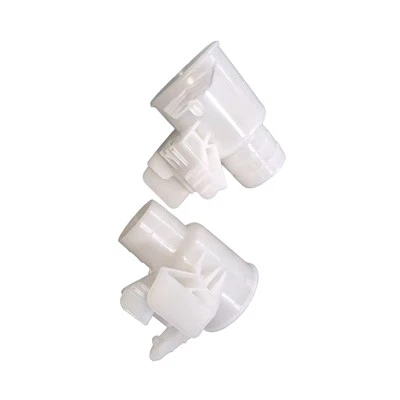
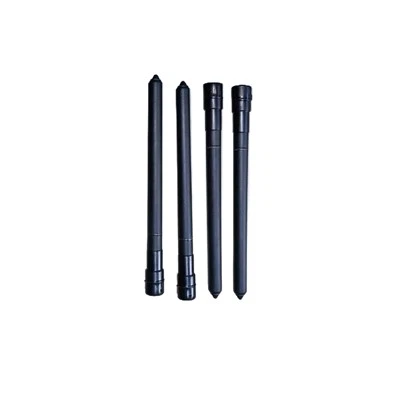
Yo, what's up, car enthusiasts and industry peeps! I'm an auto plastic parts supplier, and today I wanna chat about how our plastic parts interact with other vehicle components. It's a pretty cool topic, and understanding these interactions can help you make better decisions when it comes to your ride.
Let's start with the basics. Auto plastic parts are everywhere in modern vehicles. They're used in everything from the interior to the engine compartment. One of the main reasons for using plastic is its lightweight nature. Compared to metal, plastic parts can significantly reduce the overall weight of a vehicle, which in turn improves fuel efficiency.
Now, let's talk about how these plastic parts interact with other components. Take the Plastic Filler Neck for example. This part is responsible for connecting the fuel tank to the fuel filler opening. It needs to be durable and resistant to fuel and other chemicals. The plastic filler neck interacts with the fuel tank, which is usually made of metal or high - density polyethylene. The connection between the two has to be airtight to prevent fuel leaks. A good seal is crucial for safety and environmental reasons. If there's a leak, not only is it a fire hazard, but it can also release harmful pollutants into the atmosphere.
The Plastic Filler Tube is another important part. It works in conjunction with the filler neck to guide the fuel from the filler opening to the tank. The tube needs to be flexible enough to bend around other components in the vehicle, but also strong enough to withstand the pressure of the fuel flowing through it. It interacts with the filler neck at one end and the fuel tank at the other. If the tube isn't properly connected to these components, it can lead to fuel spillage or inefficient fuel transfer.
Then there's the Retaining Sleeve. This little guy plays a big role in keeping various parts in place. For instance, it can be used to secure wires or hoses. It interacts with the components it's holding by providing a stable grip. The material of the retaining sleeve needs to be strong enough to hold the part firmly, but also flexible enough to be installed easily. If it's too rigid, it might damage the component it's supposed to protect.
In the engine compartment, plastic parts interact with metal and rubber components. Plastic intake manifolds, for example, are designed to be lightweight and corrosion - resistant. They connect to the engine's cylinders and the air filter. The interaction between the plastic intake manifold and the engine is crucial for proper air intake. If the connection isn't tight, it can lead to a loss of power and increased fuel consumption.


Plastic radiator end - tanks are another example. They're attached to the metal radiator core. The plastic end - tanks need to be able to withstand the high temperatures and pressures of the coolant system. A good seal between the plastic end - tank and the metal core is essential to prevent coolant leaks. If the coolant leaks, the engine can overheat, which can cause serious damage.
In the interior of the vehicle, plastic parts interact with fabric, leather, and metal components. Dashboard panels, for example, are made of plastic. They house various controls and gauges. The plastic dashboard needs to be aesthetically pleasing and also durable. It interacts with the wiring and electronic components behind it. If the plastic isn't properly molded or if the connections aren't secure, it can lead to electrical problems or a rattling noise in the cabin.
Seat components also often include plastic parts. Plastic seat frames and brackets interact with the seat foam and the fabric or leather covering. The plastic parts need to be strong enough to support the weight of the passengers, while also being comfortable. A poorly designed plastic seat component can cause discomfort or even break under stress.
Now, let's talk about the manufacturing process and how it affects the interaction between plastic parts and other vehicle components. Injection molding is a common method for making auto plastic parts. During this process, the plastic is heated and injected into a mold. The quality of the mold and the injection process can have a big impact on the final product. If the mold isn't precise, the plastic part might not fit properly with other components.
Surface treatment of plastic parts is also important. Some plastic parts are coated to improve their resistance to scratches, UV rays, and chemicals. This coating can affect how the part interacts with other components. For example, a coated plastic part might have a different coefficient of friction, which can impact how it slides or connects with other parts.
As an auto plastic parts supplier, we take these interactions very seriously. We work closely with vehicle manufacturers to ensure that our parts are designed and manufactured to fit perfectly with other components. We use advanced testing methods to make sure that our plastic parts can withstand the harsh conditions inside a vehicle.
If you're in the market for high - quality auto plastic parts, I encourage you to reach out to us. We've got a wide range of products, from filler necks to retaining sleeves, and we're committed to providing the best solutions for your vehicle. Whether you're a car manufacturer looking for reliable parts or a mechanic in need of replacement components, we're here to help.
In conclusion, auto plastic parts play a vital role in modern vehicles, and their interaction with other components is crucial for the overall performance and safety of the vehicle. By understanding these interactions, you can make more informed decisions when it comes to choosing the right parts for your ride. So, don't hesitate to get in touch if you have any questions or if you're interested in purchasing our auto plastic parts.
References:
- Automotive Plastics Handbook: Materials, Processing, Applications by G. Heinrich, et al.
- Fundamentals of Vehicle Dynamics by Thomas D. Gillespie.