Fastener retainers are essential components in various industries, playing a crucial role in securing parts and ensuring the proper functioning of machinery and equipment. As a supplier of Fastener Retainers, I am well - versed in the chemical properties that make these products reliable and effective. In this blog, we will delve into the chemical properties of fastener retainers, exploring how they contribute to the performance and durability of these components.
Material Composition and Chemical Resistance
Fastener retainers are typically made from a variety of materials, each with its own unique chemical properties. Common materials include plastics, metals, and composites.
Plastics
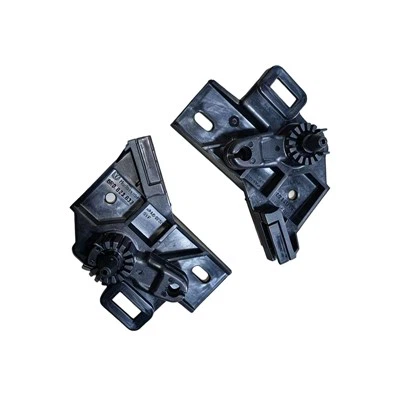
Plastic fastener retainers, such as those found in the Plastic Sliding Block Assembly, offer several advantages due to their chemical properties. One of the key benefits is their resistance to corrosion. Unlike metals, plastics do not rust, which makes them ideal for applications in harsh environments where moisture or chemicals are present. For example, in automotive applications, plastic fastener retainers can withstand exposure to road salts, engine fluids, and other corrosive substances without deteriorating.
Plastics also have good chemical resistance to a wide range of solvents and acids. This property allows them to maintain their structural integrity when in contact with various chemicals, ensuring that the fastener retainers continue to function properly. For instance, in the chemical industry, plastic fastener retainers can be used in equipment that handles corrosive chemicals, as they are less likely to react with these substances.
Another important chemical property of plastics is their low friction coefficient. This characteristic makes them suitable for applications where smooth movement is required, such as in sliding mechanisms. The Plastic Sliding Block Assembly takes advantage of this property to provide efficient and reliable operation.
Metals
Metal fastener retainers, on the other hand, have their own set of chemical properties. Metals are known for their high strength and durability, which are important for applications that require a strong holding force. However, metals are prone to corrosion, especially in the presence of moisture and oxygen. To combat this, metal fastener retainers are often coated with protective layers, such as zinc or chromium. These coatings act as a barrier, preventing the metal from coming into contact with corrosive substances and extending the lifespan of the fastener retainer.


Metals also have good thermal conductivity, which can be beneficial in applications where heat dissipation is required. For example, in electronic devices, metal fastener retainers can help to transfer heat away from sensitive components, preventing overheating and ensuring the proper functioning of the device.
Composites
Composite fastener retainers combine the properties of different materials to achieve specific performance characteristics. For example, a composite may consist of a plastic matrix reinforced with fibers, such as carbon or glass. This combination allows the fastener retainer to have high strength, low weight, and good chemical resistance. Composites can be tailored to meet the specific requirements of different applications, making them a versatile choice for various industries.
Chemical Stability and Aging
The chemical stability of fastener retainers is an important factor to consider, especially in long - term applications. Over time, exposure to environmental factors such as heat, light, and moisture can cause chemical changes in the material, leading to degradation and a decrease in performance.
Plastic fastener retainers can be susceptible to UV radiation, which can cause the material to become brittle and lose its strength. To address this issue, additives can be incorporated into the plastic to provide UV protection. These additives absorb the UV radiation and prevent it from breaking down the chemical bonds in the plastic, thereby extending the lifespan of the fastener retainer.
In addition to UV radiation, high temperatures can also affect the chemical properties of fastener retainers. Some plastics may soften or deform at high temperatures, which can compromise their ability to hold parts in place. Therefore, it is important to select materials that have a high heat resistance for applications where elevated temperatures are expected.
Metal fastener retainers can also be affected by aging. Corrosion can gradually weaken the metal, reducing its strength and integrity. Regular maintenance and inspection are necessary to detect and address any signs of corrosion early on.
Compatibility with Other Materials
Fastener retainers often come into contact with other materials in the assembly process. It is important that they are chemically compatible with these materials to ensure a proper fit and function.
For example, in automotive applications, fastener retainers may be used in conjunction with rubber seals or gaskets. If the fastener retainer is not chemically compatible with the rubber, it can cause the rubber to degrade or swell, leading to leaks and other problems. Therefore, it is essential to select fastener retainers that are compatible with the materials they will be in contact with.
In the case of electronic devices, fastener retainers need to be compatible with the printed circuit boards and other components. Some plastics may contain chemicals that can react with the metals on the circuit board, causing corrosion or other damage. By choosing materials that are chemically compatible, the risk of such problems can be minimized.
Impact of Chemical Properties on Performance
The chemical properties of fastener retainers have a direct impact on their performance. For example, the chemical resistance of a fastener retainer determines its ability to withstand exposure to various substances without deteriorating. A fastener retainer with high chemical resistance will be more reliable and have a longer lifespan in harsh environments.
The low friction coefficient of plastic fastener retainers can improve the efficiency of sliding mechanisms. This can lead to smoother operation and reduced wear and tear on the components. In addition, the high strength and durability of metal fastener retainers make them suitable for applications that require a strong holding force.
Conclusion
In conclusion, the chemical properties of fastener retainers are crucial for their performance and durability. Whether it is the corrosion resistance of plastics, the strength of metals, or the versatility of composites, each material offers unique advantages. As a supplier of Fastener Retainers, we understand the importance of these chemical properties and strive to provide high - quality products that meet the specific needs of our customers.
If you are in the market for fastener retainers or other related products such as Timing Chain Tensioner Blade Bracket, we encourage you to contact us for more information. Our team of experts is ready to assist you in selecting the right products for your applications and to discuss any specific requirements you may have.
References
- "Materials Science and Engineering: An Introduction" by William D. Callister Jr. and David G. Rethwisch
- "Plastic Materials" by John A. Brydson
- "Metallurgy for Engineers" by George E. Dieter