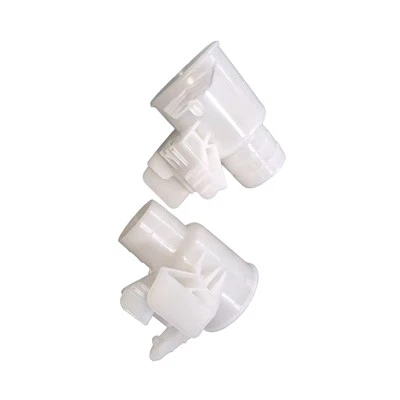
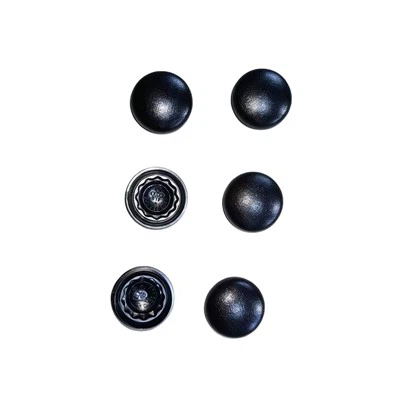
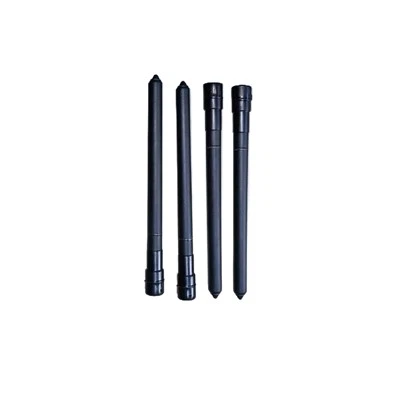
In the dynamic landscape of the consumer goods industry, retaining sleeves play a pivotal role in ensuring the functionality, durability, and safety of a wide array of products. As a trusted supplier of retaining sleeves, I have witnessed firsthand the diverse applications and benefits these components bring to various consumer goods. In this blog post, I will delve into the numerous applications of retaining sleeves in the consumer goods industry, highlighting their importance and the value they add to different products.
Automotive Industry
One of the most significant applications of retaining sleeves is in the automotive industry. These sleeves are used in a variety of automotive components, including Plastic Filler Neck, Filler Neck Cap, and other critical parts. Retaining sleeves help secure these components in place, preventing them from loosening or coming apart due to vibrations, temperature changes, or other external factors.
For instance, in a plastic filler neck, a retaining sleeve is used to hold the filler neck in place within the vehicle's fuel system. This ensures a tight and secure fit, preventing fuel leaks and maintaining the integrity of the fuel system. Similarly, in a filler neck cap, a retaining sleeve helps keep the cap securely attached to the filler neck, preventing dust, dirt, and moisture from entering the fuel tank.
Electronics Industry
The electronics industry also benefits greatly from the use of retaining sleeves. In electronic devices such as smartphones, tablets, laptops, and gaming consoles, retaining sleeves are used to secure various components, including circuit boards, connectors, and switches. These sleeves help prevent these components from shifting or coming loose during normal use, ensuring the proper functioning of the device.
For example, in a smartphone, a retaining sleeve may be used to hold the battery in place. This helps prevent the battery from moving around inside the device, which could cause damage to the battery or other components. Additionally, retaining sleeves can be used to secure connectors and switches, ensuring a reliable electrical connection and preventing intermittent issues.
Home Appliances
In the home appliances industry, retaining sleeves are used in a variety of products, including refrigerators, washing machines, dishwashers, and vacuum cleaners. These sleeves help secure various components within the appliances, ensuring their proper functioning and longevity.
For instance, in a refrigerator, a retaining sleeve may be used to hold the compressor in place. This helps prevent the compressor from vibrating excessively, which could cause damage to the compressor or other components. Additionally, retaining sleeves can be used to secure the door seals, ensuring a tight and secure fit and preventing cold air from escaping.


Medical Devices
The medical device industry also relies on retaining sleeves to ensure the safety and effectiveness of its products. In medical devices such as syringes, catheters, and infusion pumps, retaining sleeves are used to secure various components, including needles, connectors, and tubing. These sleeves help prevent these components from coming loose or detaching during use, ensuring the proper delivery of medications and fluids.
For example, in a syringe, a retaining sleeve may be used to hold the needle in place. This helps prevent the needle from becoming loose or falling out during injection, which could cause injury to the patient. Additionally, retaining sleeves can be used to secure the connectors and tubing, ensuring a reliable connection and preventing leaks.
Furniture Industry
In the furniture industry, retaining sleeves are used in a variety of products, including chairs, tables, and cabinets. These sleeves help secure various components within the furniture, ensuring its stability and durability.
For instance, in a chair, a retaining sleeve may be used to hold the legs in place. This helps prevent the legs from becoming loose or wobbly, ensuring the stability of the chair. Additionally, retaining sleeves can be used to secure the joints and connections, ensuring a strong and durable structure.
Advantages of Using Retaining Sleeves
The use of retaining sleeves in the consumer goods industry offers several advantages, including:
- Enhanced Safety: Retaining sleeves help prevent components from coming loose or detaching during use, reducing the risk of accidents and injuries.
- Improved Durability: By securing components in place, retaining sleeves help prevent wear and tear, extending the lifespan of the products.
- Increased Reliability: Retaining sleeves ensure a tight and secure fit, preventing intermittent issues and ensuring the proper functioning of the products.
- Cost-Effectiveness: The use of retaining sleeves can help reduce the need for frequent repairs and replacements, saving time and money in the long run.
Conclusion
In conclusion, retaining sleeves are essential components in the consumer goods industry, playing a crucial role in ensuring the functionality, durability, and safety of a wide array of products. As a supplier of retaining sleeves, I am committed to providing high-quality products that meet the needs of our customers. Whether you are in the automotive, electronics, home appliances, medical devices, or furniture industry, our retaining sleeves can help you enhance the performance and reliability of your products.
If you are interested in learning more about our retaining sleeves or would like to discuss your specific requirements, please feel free to contact us. We look forward to the opportunity to work with you and help you find the best solutions for your business.
References
- "Automotive Engineering Handbook," Society of Automotive Engineers (SAE)
- "Electronics Manufacturing Technology," IEEE Press
- "Home Appliance Design and Development," American Society of Mechanical Engineers (ASME)
- "Medical Device Design and Development," Association for the Advancement of Medical Instrumentation (AAMI)
- "Furniture Design and Manufacturing," International Furniture Manufacturers Association (IFMA)