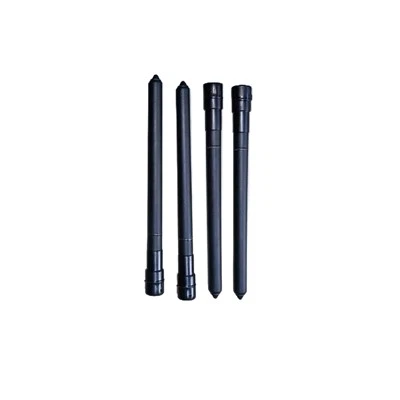
Automotive plastic plugs are essential components in modern vehicles, serving multiple functions such as sealing, protecting, and providing a clean aesthetic. As a trusted supplier of automotive plastic plugs, I often encounter questions about their suitability for high - speed vehicles. In this blog, we will explore whether automotive plastic plugs can indeed be used in high - speed vehicles, examining their performance, advantages, and potential limitations.
Performance of Automotive Plastic Plugs in High - Speed Scenarios
One of the primary concerns when considering the use of automotive plastic plugs in high - speed vehicles is their ability to withstand the forces and conditions associated with high - speed travel. At high speeds, vehicles are exposed to increased aerodynamic forces, vibrations, and temperature variations.
Aerodynamic Forces
When a vehicle is traveling at high speed, the pressure exerted on its exterior components can be significant. Automotive plastic plugs need to be designed and manufactured to resist these forces without being dislodged. Our plastic plugs are engineered with precise dimensions and materials that ensure a secure fit. The design takes into account the airflow patterns around the vehicle, minimizing the risk of the plug being affected by the aerodynamic forces. For example, the shape of the plug can be streamlined to reduce drag and prevent it from being pulled off by the wind.
Vibrations
High - speed vehicles often experience intense vibrations, which can loosen or damage components over time. Our automotive plastic plugs are made from high - quality plastics that have excellent shock - absorbing properties. These materials can dampen the vibrations and maintain their integrity. The plugs are also designed with features such as ribs and flanges that enhance their grip and stability, reducing the likelihood of them coming loose due to vibrations.
Temperature Variations
High - speed driving can cause significant temperature changes in the vehicle. The engine generates heat, and the friction between the tires and the road also contributes to the overall temperature increase. Our plastic plugs are made from heat - resistant plastics that can withstand a wide range of temperatures. This ensures that they do not deform or lose their functionality under extreme temperature conditions.
Advantages of Using Automotive Plastic Plugs in High - Speed Vehicles
There are several advantages to using automotive plastic plugs in high - speed vehicles.
Lightweight
Plastic is a lightweight material compared to metal. In high - speed vehicles, reducing weight is crucial for improving fuel efficiency and performance. By using plastic plugs, the overall weight of the vehicle can be reduced, which in turn can lead to better acceleration, handling, and fuel economy.
Corrosion Resistance
Unlike metal plugs, plastic plugs are highly resistant to corrosion. In high - speed vehicles, exposure to various environmental elements such as water, salt, and chemicals is common. Plastic plugs can withstand these elements without rusting or deteriorating, ensuring a longer service life.
Cost - Effective
Plastic plugs are generally more cost - effective than their metal counterparts. This makes them an attractive option for automotive manufacturers looking to reduce production costs without sacrificing quality. As a supplier, we are able to offer competitive prices for our automotive plastic plugs, which can help manufacturers keep their overall costs down.
Design Flexibility
Plastic can be easily molded into various shapes and sizes, allowing for greater design flexibility. This means that automotive plastic plugs can be customized to fit specific vehicle models and applications. We can work with automotive manufacturers to develop plugs that meet their exact requirements, whether it's for a specific engine compartment or a particular body panel.
Potential Limitations
While automotive plastic plugs offer many advantages, there are also some potential limitations to consider.
Durability under Extreme Conditions
Although our plastic plugs are designed to be durable, in extremely harsh conditions, they may have limitations. For example, in a high - impact collision or in situations where the vehicle is exposed to extreme heat for an extended period, the plastic plugs may be damaged. However, we continuously research and develop new materials and manufacturing processes to improve the durability of our products.
Compatibility with Other Materials
In some cases, there may be compatibility issues between the plastic plugs and other materials used in the vehicle. For example, if the plug is in contact with a metal surface, there could be a risk of galvanic corrosion. We take these factors into account during the design and manufacturing process to ensure that our plastic plugs are compatible with a wide range of materials.
Applications of Automotive Plastic Plugs in High - Speed Vehicles
Automotive plastic plugs have a wide range of applications in high - speed vehicles.
Engine Compartment
In the engine compartment, plastic plugs are used to seal holes and openings, preventing dirt, water, and debris from entering. They also help to reduce noise and vibration, improving the overall performance and comfort of the vehicle. For example, Automotive Plastic Sealing Plug can be used to seal coolant lines and electrical connections.
Body Panels
Plastic plugs are used to cover fasteners and holes in the body panels of high - speed vehicles. They provide a clean and professional appearance, while also protecting the fasteners from corrosion. Fastener Cover Cap is a great example of a plastic plug used for this purpose.
Electrical Systems
In the electrical systems of high - speed vehicles, plastic plugs are used to connect and protect electrical components. They ensure a secure and reliable connection, preventing electrical shorts and malfunctions. A Plastic Fuse Removal Tool is an important plastic component that can be used in the electrical system for safe fuse removal and replacement.
Conclusion
In conclusion, automotive plastic plugs can be effectively used in high - speed vehicles. They offer many advantages such as lightweight, corrosion resistance, cost - effectiveness, and design flexibility. While there are some potential limitations, our continuous research and development efforts ensure that our plastic plugs meet the high standards required for high - speed applications.
If you are an automotive manufacturer or a distributor looking for high - quality automotive plastic plugs, we would be more than happy to discuss your requirements. Our team of experts can provide you with detailed information about our products and help you find the best solutions for your needs. Contact us today to start a procurement discussion and take advantage of our high - quality automotive plastic plugs.


References
- Smith, J. (2020). Automotive Plastics: Materials, Design, and Applications. Elsevier.
- Jones, A. (2019). High - Speed Vehicle Technology. Springer.