Can plastic door panels be used in cold climates? That's a question I get a lot as a plastic door panel supplier. I've seen firsthand how these panels perform in various conditions, and I'm here to share my insights with you.
Let's start by understanding what happens to plastic in cold weather. Plastic is a polymer, and like all materials, it has its own set of properties that change with temperature. When it gets cold, plastic becomes more brittle. This is because the molecules in the plastic slow down and become less flexible. As a result, the plastic is more likely to crack or break under stress.
But does this mean that plastic door panels are a no - go in cold climates? Not necessarily. The key lies in the type of plastic used and how the panels are designed.
There are different types of plastics, and some are more cold - resistant than others. For example, polycarbonate is known for its excellent impact resistance, even in cold temperatures. It can withstand a fair amount of force without cracking. Another option is acrylonitrile butadiene styrene (ABS), which also has good low - temperature performance. These plastics are often used in high - quality plastic door panels.
When it comes to design, proper reinforcement is crucial. A well - designed plastic door panel will have internal structures that help distribute stress evenly. This reduces the risk of cracking, even when the plastic becomes more brittle in the cold. For instance, some panels have ribbed designs or additional supports that add strength.
I've had customers in cold regions who have been very satisfied with our plastic door panels. They've reported that the panels hold up well over the winter months. Of course, it's important to note that extreme cold can still pose challenges. In areas where temperatures drop well below freezing for extended periods, extra care might be needed.
One thing to consider is the installation of the door panels. A proper installation can make a big difference in how the panels perform in cold weather. Make sure the panels are installed tightly and that there are no gaps where cold air can seep in. This not only helps with the overall performance of the panels but also with energy efficiency.
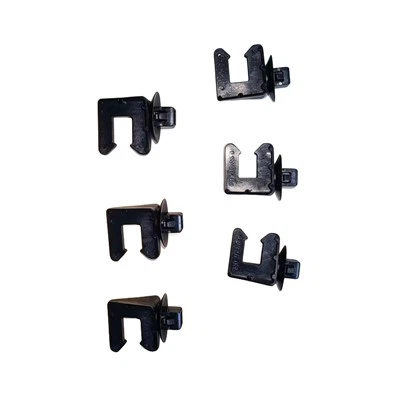
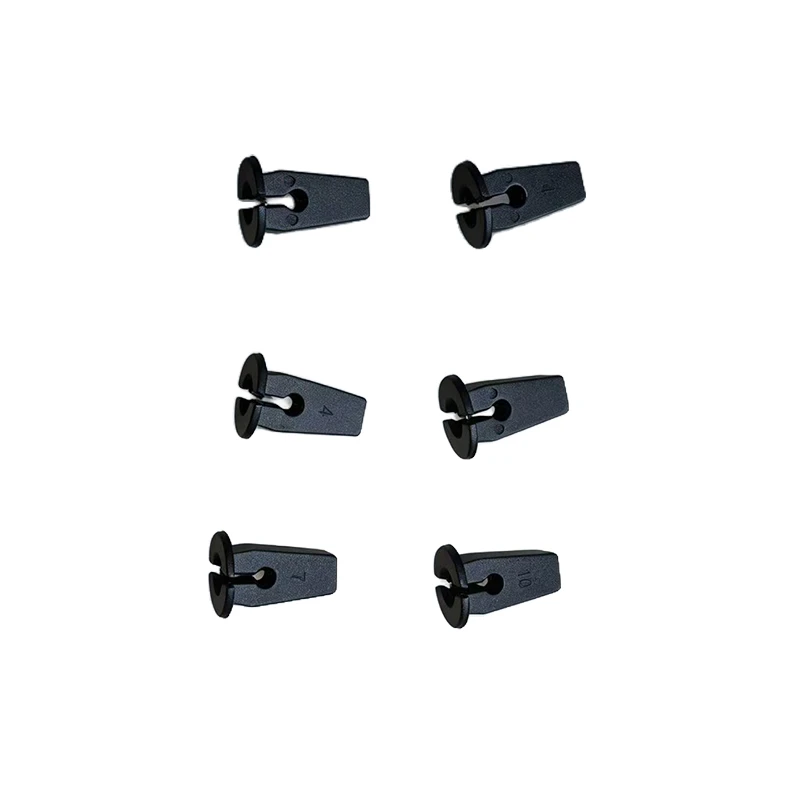
Now, let's talk about some of the components that are often used in plastic door panels. You might need things like Door Trim Plastic Nut, Door Trim Panel Retainer, and Expanding Plastic Rivets. These parts play an important role in keeping the door panel in place and functioning properly.
The Door Trim Plastic Nut is used to secure various parts of the door trim. It's designed to be durable and can withstand the rigors of cold weather. The Door Trim Panel Retainer helps hold the panel firmly in place, preventing it from rattling or coming loose. And the Expanding Plastic Rivets are great for providing a secure connection between different components of the door panel.
In addition to the type of plastic and design, maintenance also plays a role in the performance of plastic door panels in cold climates. Regularly inspect the panels for any signs of damage, such as cracks or chips. If you notice any issues, it's best to address them as soon as possible. This can prevent further damage and extend the lifespan of the panels.
Another factor to consider is the environment. If the area has a lot of snow and ice, there's a risk of physical damage to the door panels. For example, if snow is piled up against the door, it can put pressure on the panel. Ice can also form on the panel, and when it melts and refreezes, it can cause stress on the plastic.

However, with the right precautions, plastic door panels can be a great choice for cold climates. They are lightweight, which makes them easier to install and handle. They are also often more cost - effective than other materials, such as wood or metal.
So, in conclusion, plastic door panels can be used in cold climates. The key is to choose the right type of plastic, have a well - designed panel, install it properly, and perform regular maintenance. If you're in a cold region and considering plastic door panels, I'd be more than happy to help you find the right solution for your needs.
If you're interested in learning more about our plastic door panels or have any questions about their performance in cold climates, don't hesitate to reach out. We're here to assist you in making the best choice for your project. Whether you're a homeowner, a contractor, or a business owner, we have the expertise and the products to meet your requirements. Let's have a chat and see how we can work together to get you the perfect plastic door panels for your cold - climate needs.
References:
- General knowledge of plastic properties and materials science.
- Customer feedback from cold - climate regions.