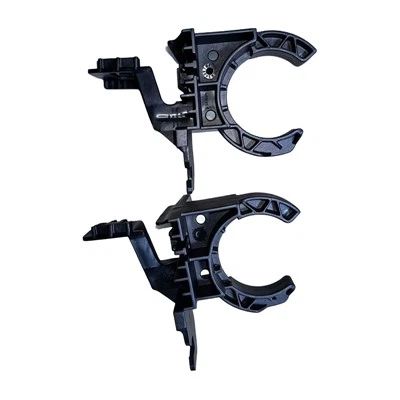
Do I need any special tools to replace tail light lens plastic?
When it comes to replacing the tail light lens plastic of your vehicle, one of the first questions that might come to mind is whether you need any special tools. As a dedicated Tail Light Lens Plastic supplier, I've encountered this query numerous times from customers and car enthusiasts alike. In this blog, I'll delve into the tools required for tail light lens plastic replacement, and offer some insights to help you make an informed decision.
Understanding the Basics of Tail Light Lens Plastic Replacement
Before we discuss the tools, it's important to understand the general process of replacing tail light lens plastic. Tail light lens plastic can get damaged due to various reasons such as accidents, wear and tear, or exposure to harsh weather conditions. Replacing the lens plastic not only restores the aesthetic appeal of your vehicle but also ensures proper functionality of the tail lights, which is crucial for road safety.
The replacement process typically involves removing the old, damaged lens plastic and installing a new one. This may require accessing the back of the tail light assembly, which is usually located inside the trunk or behind the rear bumper of the vehicle.
Tools You Might Need
- Screwdriver Set: A basic set of screwdrivers is often essential for removing the screws that hold the tail light assembly in place. Different vehicles may use different types of screws, such as Phillips head or flat head. Having a variety of screwdriver sizes and types in your toolkit will ensure that you can handle any screw you encounter.
- Trim Removal Tools: These tools are designed to help you safely remove the trim pieces around the tail light assembly without causing damage. Trim removal tools come in various shapes and sizes, and they are used to gently pry off the trim without scratching the vehicle's paint.
- Socket Wrench Set: In some cases, the tail light assembly may be secured with bolts instead of screws. A socket wrench set will allow you to loosen and tighten these bolts. Make sure to have a range of socket sizes to fit different bolt sizes.
- Adhesive Remover: If the old lens plastic was attached with adhesive, you'll need an adhesive remover to clean the surface before installing the new lens. This will ensure a proper bond between the new lens and the tail light assembly.
- Silicone Sealant: After installing the new lens, you'll need to apply a silicone sealant around the edges to prevent water and dust from entering the tail light assembly. This will help to protect the electrical components inside the tail light and ensure its long - term functionality.
Special Tools: Do You Really Need Them?
In most cases, the tools mentioned above are sufficient for replacing tail light lens plastic. However, there are some situations where you might need special tools.
For example, if your vehicle has a complex tail light design with hidden fasteners or requires a specific tool for disassembly, you may need to invest in specialized tools. Some high - end vehicles may have unique tail light assemblies that require proprietary tools for removal and installation.
If you're unsure whether you need special tools for your vehicle, it's a good idea to consult your vehicle's owner's manual or a professional mechanic. They can provide you with specific information about the tools required for your particular make and model.
Our Tail Light Lens Plastic Offerings
As a Tail Light Lens Plastic supplier, we offer a wide range of high - quality tail light lens plastics that are designed to fit various makes and models of vehicles. Our products are made from durable materials that can withstand the rigors of daily use and harsh weather conditions.
In addition to tail light lens plastic, we also supply other automotive plastic parts such as Plastic Headlight Lens, Moulding Radiator, and Bumper Trim Plate. Our products are known for their excellent quality, precise fit, and competitive prices.


Tips for a Successful Tail Light Lens Plastic Replacement
- Prepare the Work Area: Before you start the replacement process, make sure you have a clean and well - lit work area. This will make it easier for you to see what you're doing and prevent any damage to the vehicle.
- Take Pictures: Before removing the old lens plastic, take pictures of the tail light assembly and the surrounding area. This will help you remember how to reassemble everything correctly.
- Follow the Instructions: If you're using a new lens plastic that comes with installation instructions, make sure to follow them carefully. This will ensure that the lens is installed correctly and functions properly.
- Test the Lights: After installing the new lens plastic, test the tail lights to make sure they are working properly. This will help you identify any issues early on and make any necessary adjustments.
Contact Us for Your Tail Light Lens Plastic Needs
If you're in the market for high - quality tail light lens plastic or other automotive plastic parts, we'd love to hear from you. Our team of experts is ready to assist you with your purchasing decisions and provide you with the best products and services. Whether you're a professional mechanic or a DIY enthusiast, we have the right products for you.
Don't hesitate to reach out to us for more information or to discuss your specific requirements. We look forward to serving you and helping you keep your vehicle in top condition.
References
- General automotive repair manuals for various makes and models
- Industry publications on automotive plastic parts and repair