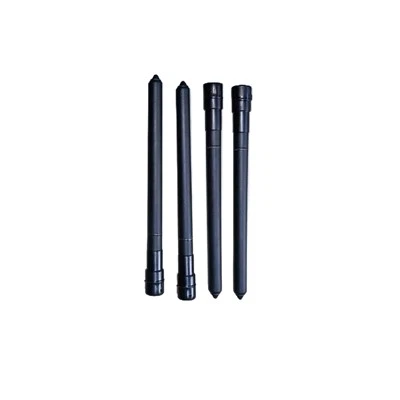
Hey there! I'm a supplier of fastener covers, and today I wanna chat about how these nifty little things interact with different surface finishes. It's a topic that's super important in our line of work, and I'm stoked to share my insights with you.
First off, let's talk about what fastener covers are. They're basically protective caps or plugs that go over fasteners like screws, bolts, and nuts. Their main job is to keep the fasteners safe from things like corrosion, dirt, and damage. But they also play a role in making the overall look of a product more aesthetically pleasing.
Now, when it comes to different surface finishes, there are a bunch of them out there. Some of the most common ones include painted, powder-coated, anodized, and galvanized surfaces. Each of these finishes has its own unique properties, and they can all affect how fastener covers interact with them.
Let's start with painted surfaces. Painted finishes are pretty common, especially in the automotive and furniture industries. When you're using fastener covers on a painted surface, you gotta be careful not to scratch or damage the paint. That's why it's important to choose fastener covers that are made from a soft, non-abrasive material. Some of our Automotive Plastic Sealing Plug are perfect for this kind of application. They're made from a high-quality plastic that won't scratch the paint, and they fit snugly over the fasteners to provide a tight seal.
Powder-coated surfaces are another popular option. Powder coating is a process where a dry powder is applied to a surface and then baked to form a hard, durable finish. It's a great way to protect a surface from corrosion and wear, but it can also be a bit tricky to work with when it comes to fastener covers. The key is to choose fastener covers that are designed to work with powder-coated surfaces. Our Automotive Plastic Plug are a great choice for this. They're made from a flexible plastic that can conform to the shape of the fastener and the powder-coated surface, providing a secure fit.
Anodized surfaces are often used in the aerospace and electronics industries. Anodizing is an electrochemical process that creates a protective oxide layer on the surface of a metal. This layer is very hard and resistant to corrosion, but it can also be brittle. When using fastener covers on anodized surfaces, you need to make sure that the covers are made from a material that won't crack or damage the anodized layer. Our fastener covers are designed to be gentle on anodized surfaces, so you can use them with confidence.


Galvanized surfaces are coated with a layer of zinc to protect them from corrosion. Galvanizing is a popular choice for outdoor applications, such as fences and bridges. When using fastener covers on galvanized surfaces, you need to make sure that the covers are made from a material that won't react with the zinc. Our fastener covers are made from a non-reactive plastic that won't cause any problems with the galvanized coating.
Another important factor to consider when choosing fastener covers is the size and shape of the fastener. Different fasteners have different sizes and shapes, and you need to make sure that the fastener covers you choose fit properly. If the covers are too big or too small, they won't provide a good seal, and they may not protect the fastener as effectively. That's why we offer a wide range of fastener covers in different sizes and shapes to meet the needs of our customers.
In addition to the surface finish and the size and shape of the fastener, you also need to consider the environment in which the fastener covers will be used. If the covers will be exposed to extreme temperatures, chemicals, or UV radiation, you need to choose covers that are made from a material that can withstand these conditions. Our Plastic Fuse Removal Tool are made from a high-quality plastic that is resistant to heat, chemicals, and UV radiation, so they're perfect for use in harsh environments.
So, there you have it! That's a quick overview of how fastener covers interact with different surface finishes. As a supplier of fastener covers, we understand the importance of choosing the right covers for the job. That's why we offer a wide range of high-quality fastener covers that are designed to work with different surface finishes and environments.
If you're in the market for fastener covers, I'd love to chat with you. We can help you choose the right covers for your application and answer any questions you may have. Just reach out to us, and we'll be happy to assist you.
References
- "Surface Finishes and Their Impact on Fastener Performance" - Journal of Fastener Technology
- "The Science of Fastener Covers" - Fastener Industry Magazine