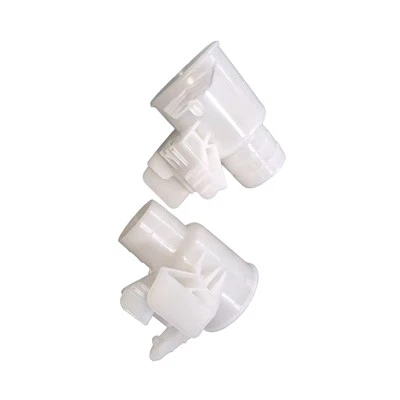
Troubleshooting problems with automotive plastic parts is a crucial skill for anyone involved in the automotive industry, especially for suppliers like us. As an automotive plastic parts supplier, we understand the importance of ensuring the quality and performance of our products. In this blog post, we will discuss some common issues with automotive plastic parts and provide practical solutions to troubleshoot them.
1. Common Problems with Automotive Plastic Parts
1.1 Cracking and Fracturing
One of the most common problems with automotive plastic parts is cracking and fracturing. This can occur due to various reasons, such as impact, stress concentration, or material degradation. For example, a Bumper Trim Plate may crack if it is hit by a foreign object, or a Charge Port Cover Base may fracture due to repeated opening and closing.
1.2 Warping and Deformation
Warping and deformation are also frequent issues with automotive plastic parts. High temperatures, improper molding processes, or uneven cooling can cause plastic parts to warp or deform. This can affect the fit and functionality of the parts. For instance, a Fuel Filler Door Hinge may warp, making it difficult to open or close the fuel filler door properly.
1.3 Discoloration
Discoloration of automotive plastic parts can be a cosmetic issue, but it can also indicate underlying problems. Exposure to sunlight, chemicals, or extreme temperatures can cause plastic parts to change color. This can be particularly noticeable on exterior parts, such as bumper trim plates.
1.4 Poor Adhesion
In some cases, plastic parts may need to be bonded to other components. Poor adhesion can lead to parts coming loose or separating. This can be a problem with parts like interior trim pieces or decorative elements.
2. Troubleshooting Techniques
2.1 Visual Inspection
The first step in troubleshooting automotive plastic parts is a visual inspection. Look for any visible signs of damage, such as cracks, fractures, warping, or discoloration. Check the fit of the part and see if it aligns properly with other components. If you notice any issues, mark the affected areas for further investigation.
2.2 Material Analysis
If you suspect that the material of the plastic part is the cause of the problem, you can perform a material analysis. This can involve testing the plastic for its mechanical properties, such as strength, hardness, and flexibility. You can also check for any contaminants or impurities in the material.
2.3 Stress Analysis
Stress analysis can help you determine if the problem is due to stress concentration. Use techniques like finite element analysis (FEA) to simulate the stress distribution in the plastic part. This can help you identify areas of high stress and make design changes to reduce stress.
2.4 Environmental Testing
If discoloration or degradation is a concern, you can perform environmental testing. Expose the plastic part to different environmental conditions, such as sunlight, heat, humidity, and chemicals. Monitor the part over time to see how it responds to these conditions.
2.5 Adhesion Testing
To troubleshoot poor adhesion, you can perform adhesion testing. Use a pull test or a shear test to measure the strength of the bond between the plastic part and the other component. If the adhesion is weak, you can try different bonding methods or adhesives.
3. Solutions to Common Problems
3.1 Cracking and Fracturing
If a plastic part is cracked or fractured, you can try to repair it using a plastic welding kit. This involves melting the plastic and fusing the cracked edges together. If the damage is severe, you may need to replace the part. To prevent future cracking and fracturing, you can improve the design of the part to reduce stress concentration, or use a stronger plastic material.
3.2 Warping and Deformation
To correct warping and deformation, you can try to heat the part and reshape it. Use a heat gun or an oven to heat the plastic to a temperature where it becomes pliable. Then, use a mold or a fixture to reshape the part. To prevent warping and deformation in the future, you can improve the molding process, such as by adjusting the cooling rate or using a more uniform mold temperature.
3.3 Discoloration
If a plastic part is discolored, you can try to clean it using a mild detergent and a soft cloth. If the discoloration is due to exposure to sunlight, you can use a UV-resistant coating to protect the part. In some cases, you may need to replace the part if the discoloration is too severe.
3.4 Poor Adhesion
To improve adhesion, you can clean the surfaces of the plastic part and the other component before bonding. Use a primer or a surface treatment to enhance the bonding strength. You can also choose a more suitable adhesive for the application.
4. Quality Control and Prevention
4.1 Design Optimization
During the design phase, it is important to optimize the design of automotive plastic parts to reduce the risk of problems. Use computer-aided design (CAD) software to simulate the performance of the part and identify potential issues. Consider factors such as stress distribution, material selection, and manufacturing processes.


4.2 Material Selection
Choose the right plastic material for the application. Consider the mechanical properties, chemical resistance, and environmental requirements of the part. Use high-quality materials from reliable suppliers to ensure the durability and performance of the parts.
4.3 Manufacturing Process Control
Implement strict quality control measures during the manufacturing process. Monitor the temperature, pressure, and other process parameters to ensure consistent quality. Use advanced manufacturing techniques, such as injection molding or extrusion, to produce high-quality plastic parts.
4.4 Testing and Inspection
Perform thorough testing and inspection of the plastic parts before they are shipped to customers. Use non-destructive testing methods, such as ultrasonic testing or X-ray inspection, to detect any internal defects. Conduct functional testing to ensure that the parts meet the performance requirements.
5. Conclusion
Troubleshooting problems with automotive plastic parts requires a systematic approach and a good understanding of the materials and manufacturing processes involved. By following the techniques and solutions outlined in this blog post, you can effectively identify and solve common problems with automotive plastic parts. As an automotive plastic parts supplier, we are committed to providing high-quality products and excellent customer service. If you have any questions or need assistance with troubleshooting automotive plastic parts, please feel free to contact us for further discussion and potential procurement opportunities.
References
- Automotive Plastics Handbook, Edited by John A. Brydson
- Plastics in Automotive Engineering, By John A. Brydson